


Austin Asphalt Driveway Paving Durability & Life Expectancy
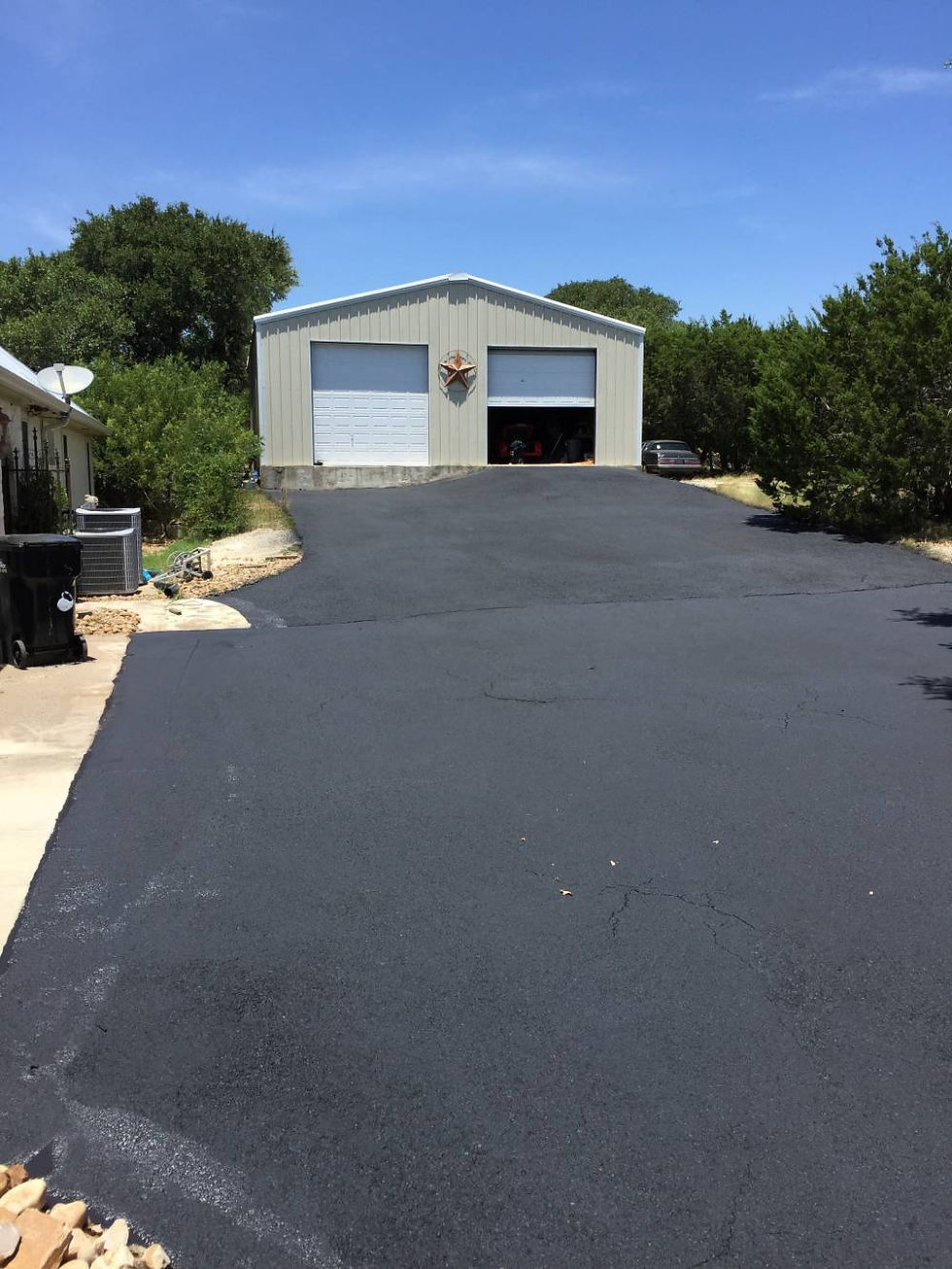
There's no better way to improve your home than through Austin asphalt driveway paving. A properly laid and compacted driveway can offer decades of safety, accessibility, and curb appeal. However, as with all things, quality of construction and ongoing care can greatly impact overall Austin asphalt driveway durability and longevity. Here's what you need to know.
What's the Average Lifespan of Austin Asphalt Driveway Paving?
The lifespan of asphalt paving varies widely depending on numerous factors, including construction quality, exposure levels, and maintenance. However, most surfaces easily hold up for 15 to 25 years under standard conditions.
With professional installation and maintenance, asphalt paving can last even longer. Many homeowners enjoy 30 years or more of reliability.
Asphalt paving is particularly resilient compared to alternative materials. Asphalt contains a mix of aggregates and fillers held together by bitumen, a flexible petroleum byproduct that gives asphalt paving its signature glossy black finish. The binder is pliable, allowing finished surfaces to flex under pressure. That's partly why asphalt driveways last so long. Where other materials crack and settle, well-built driveways resist damage.
Of course, asphalt paving evolves as it ages. Over time, the flexible binder can oxidize and break down. Driveway paving can then become brittle and prone to damage. That's why it's so vital to work with experienced asphalt contractors in Austin who can ensure top-quality construction and reliable maintenance.
How Does Installation Affect Austin Asphalt Driveway Durability?
Let's talk about installation and asphalt driveway costs. Many homeowners try to save money by hiring less experienced asphalt contractors to build their driveways. While they save upfront, they often pay far more to address widespread damage and early deterioration.
Several details during the construction process can impact overall durability and longevity.
Foundation Preparations: The best driveway paving contractors will spend ample time building up a stable foundation. They'll perform soil tests, amend the subgrade, and compact it thoroughly before hauling in subbase aggregates. These two layers sit beneath the asphalt pavement and distribute weight evenly. Cutting corners during this step can shorten the lifespan of your asphalt driveway.
Engineering: Another consideration is the pavement's thickness and overall engineering. Skilled asphalt contractors in Austin will discuss how you intend to use your new pavement, including expected traffic volume and vehicle types. From there, they can engineer a driveway that fits the bill. Standard residential paving often only needs to support passenger vehicles, but if you have a larger truck, boat, or RV, you need precise engineering and additional thickness to prevent damage.
Asphalt Mixes: While asphalt mixes contain the same basic ingredients, manufacturers can produce formulas of varying strengths and densities. Choosing the right one for your project can optimize asphalt driveway costs and ensure better longevity.
Compaction: All asphalt paving requires thorough compaction. This process locks the aggregates together, removes air bubbles, and dramatically increases density. Haphazard compaction can lower Austin asphalt driveway durability.
Temperature Control: Asphalt contractors need to work fast. During manufacturing, asphalt reaches temperatures up to 350 degrees Fahrenheit. Teams must lay and compact it before it cools too much. Otherwise, the pavement's structural integrity suffers.
What Can I Do to Maximize Austin Asphalt Driveway Paving Longevity?
How asphalt contractors install your new driveway significantly affects its lifespan. However, all asphalt driveways require ongoing maintenance to prevent premature degradation. Fortunately, there's plenty you can do to avoid problems and ensure asphalt driveway costs go as far as possible.
Routine Cleaning: Make a habit of keeping your driveway clean. Sweep away dust, pick up trash, and clean up spills promptly. Every few months, consider washing the asphalt with a mild detergent to prevent buildup. Grime can accelerate oxidation and make your pavement more vulnerable to damage.
Asphalt Sealcoating: Sealcoating is among the best ways to maintain your driveway paving moving forward. During a service appointment, asphalt contractors in Austin apply a sealer over your entire driveway. Once cured, it forms a physical barrier that shields the asphalt from UV rays, water penetration, chemical corrosion, and more. It prevents early oxidation and wear while actively mitigating the risk of damage.
Crack Filling: Cracks are normal, but you shouldn't ignore them. Asphalt contractors recommend filling and sealing cracks at least once a year to prevent water infiltration. If water seeps into the foundation, it can erode the base layers. That could result in potholes, subsidence, and concerns about structural integrity.
Repairs: When damage occurs, don't wait to get repairs. Hire asphalt contractors in Austin as soon as possible to patch and mend damage. Doing so quickly restores durability and prevents minor issues from turning into bigger ones.
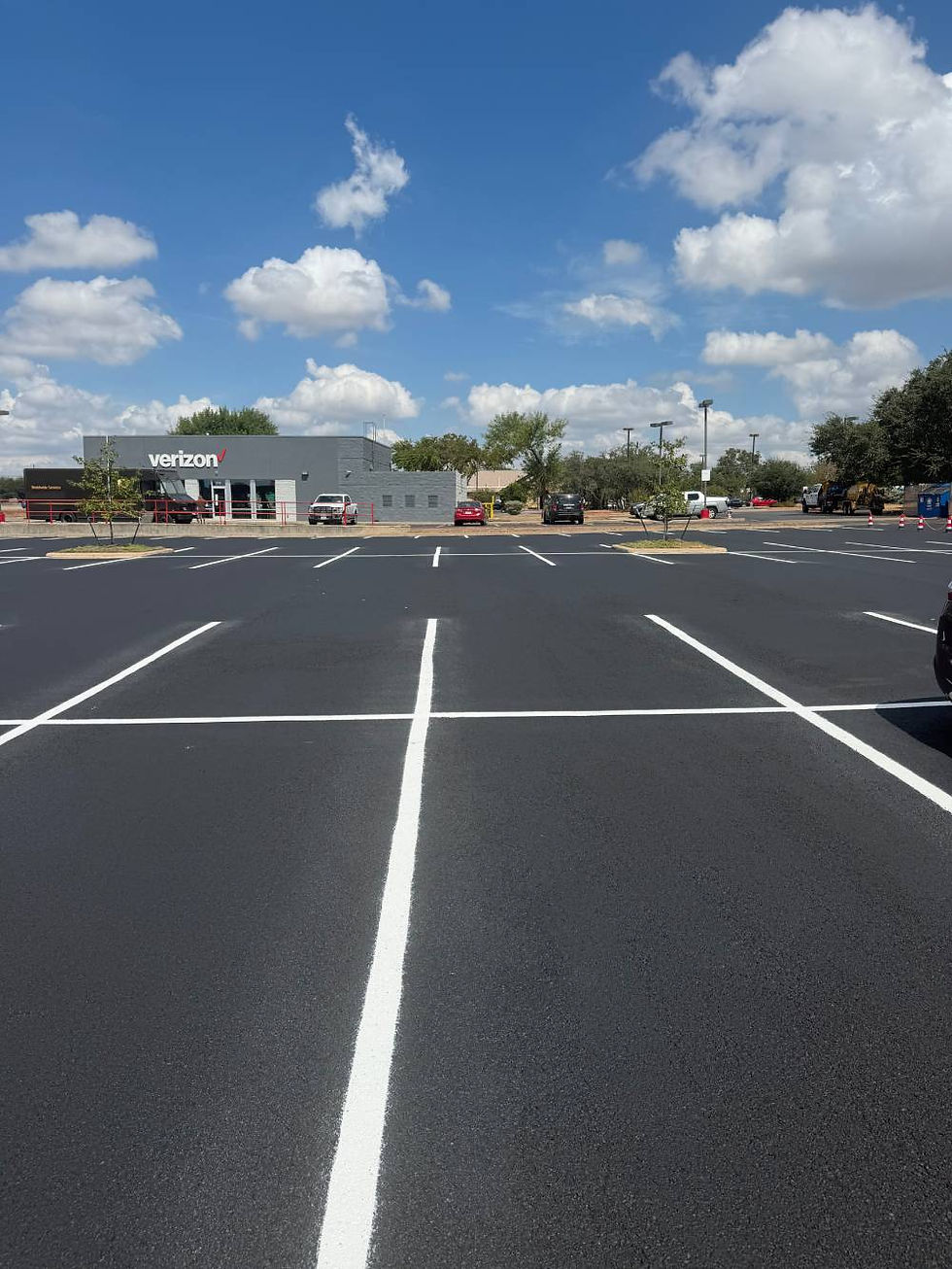
At A-Town Paving, it's our mission to help property owners and managers throughout Central Texas take the best care of their asphalt paving. We're experienced contractors proudly serving clients throughout Austin and the surrounding communities since 1989. Our services include residential asphalt paving, resurfacing, sealcoating, and repairs. We also do commercial paving, parking lot maintenance, striping, and pavement marking.
No matter your needs, you can trust us to deliver top-tier results and reliable customer service to match. Call the A-Town Paving team today at (512) 350-4100 to learn more and request a free project quote. You can also email us at atownpavingtx@gmail.com or use our online form to get in touch.

Comments